

.png)

.png)
What Type of Sand Should Be Used Between Pavers?

Updated: Apr 29
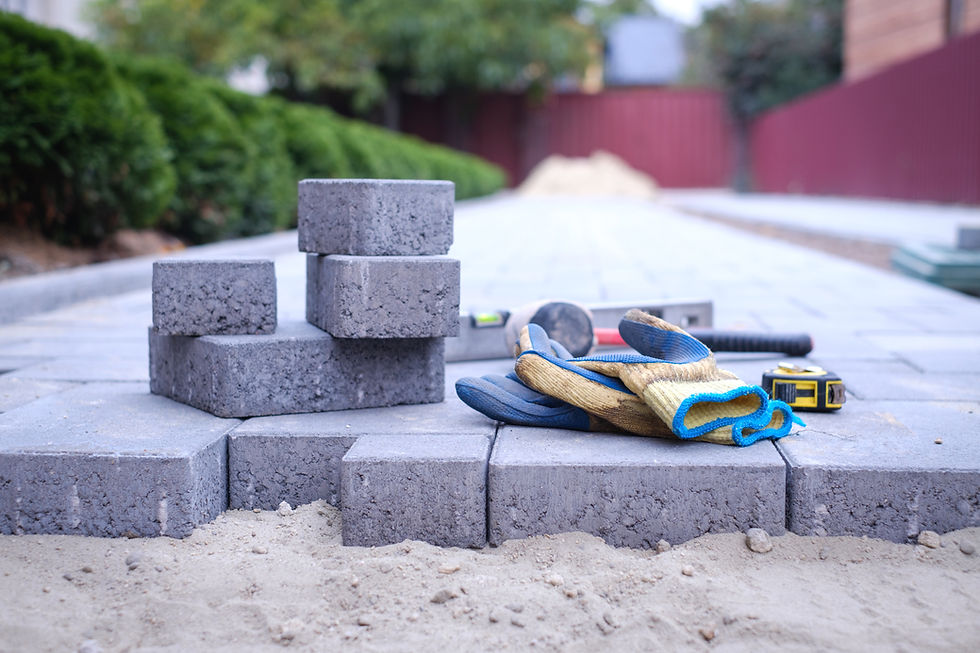
When you're laying pavers for a new patio, driveway, or garden path, choosing the right sand makes all the difference between a professional-looking finish and a project that shifts and settles over time. At Little Loads, we help Perth homeowners and landscapers get their paving projects right from the start.
The Importance of Choosing the Right Sand
Sand serves two critical functions in paver installation. Firstly, it creates a stable bedding layer that supports your pavers evenly. It also fills the joints between pavers, locking them in place and preventing movement. Using the wrong type of sand can lead to uneven surfaces, weed growth, and pavers that shift underfoot.
Best Sand for the Bedding Layer
Fill Sand: Your Foundation
Before you lay your pavers, you need a solid, compactable base. Fill sand works perfectly for this purpose. It compacts firmly to create a level surface that won't shift over time, making it ideal for:
Patio and pathway bases
Driveway foundations
Pool surrounds
Retaining wall backfill
The coarse texture of fill sand allows for proper drainage while providing the stability your pavers need. A bedding layer of 30-40mm typically works well for most residential projects.
Best Sand for Paver Joints
Once your pavers are laid, you'll need to fill the gaps between them. Here's what works best.
Polymeric Sand
This specialist sand contains binding agents that activate when moistened, creating a firm bond between your pavers. The sand will:
Lock pavers in place
Prevent weed growth
Deter ants and insects
Resist erosion from rain
Be available in colours to match your pavers
Coarse, Granular Sand
If polymeric sand isn't available, coarse masonry sand provides good stability. The larger grain size helps keep pavers from shifting while allowing water to drain through.
Sands to Avoid Putting Between Pavers
Don't use fine sand between your pavers. The small grains wash away easily during Perth's winter rains, leaving gaps that allow pavers to move. Similarly, avoid mortar between pavers. It lacks flexibility and cracks under Perth’s temperature variations.
How Much Sand Do You Need?
For the bedding layer, calculate your area in square metres and multiply by 0.04 (for a 40mm depth). For example, a 10 square metre patio needs 0.4 cubic metres of fill sand.
For joint sand, you'll need less - typically about 10-15% of your bedding sand volume, depending on paver spacing.
Not sure about quantities? Our team can help you calculate exactly what you need, or use our online calculator to estimate your order.
Tips for Success
To get the best results from your paving project:
1. Compact your fill sand base thoroughly before laying pavers
2. Work in layers if you're building up significant depth
3. Ensure proper drainage away from buildings
4. Follow the manufacturer's instructions carefully when using polymeric sand
5. Never apply polymeric sand if rain is forecast
If you're creating a new entertaining area or refreshing an existing pathway, Little Loads has the quality fill sand you need for a stable, long-lasting result. Order online today, or contact us to discuss your project with our experienced team. We'll deliver quality paving sand directly to your Perth property, so you can focus on bringing your outdoor vision to life.
Related posts:


